Medicare FAQ's

Medicare Questions and Answers

Medicare comes with a lot of questions and that’s completely normal. We’ve put together answers to the most common questions we hear from clients every day, organized by topic so you can find what you need quickly. If you want to learn more on your own, visit our Medicare Education Center for free downloadable guides and videos.  If you don’t see your question answered here, don’t hesitate to reach out. We’re always happy to help.

Medicare Basics

Common Questions About Getting Started with Medicare

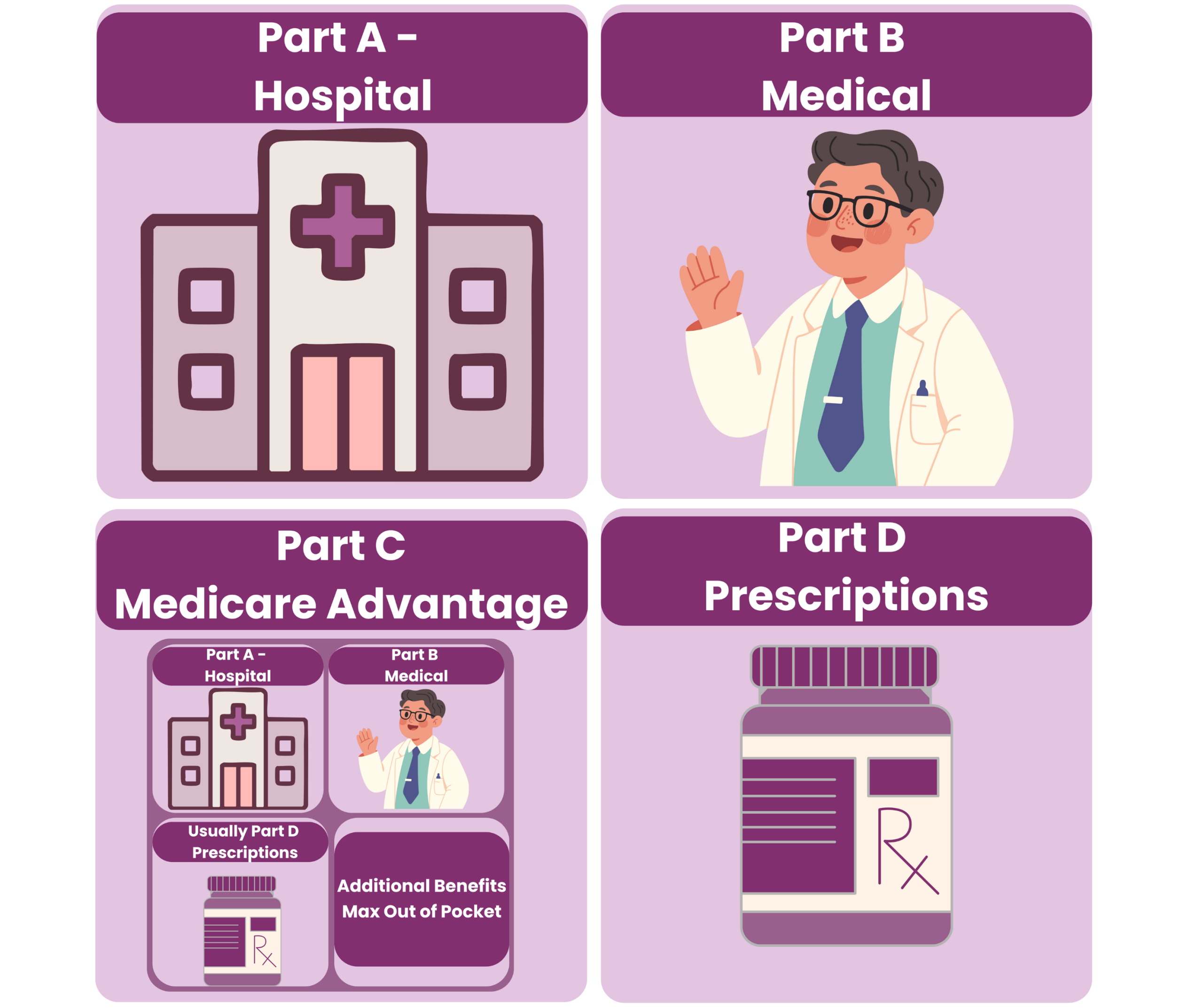
4 Parts of Medicare

Q1: When should I enroll in Medicare?

A1: Most people should enroll in Medicare during their Initial Enrollment Period (IEP), which begins three months before the month they turn 65, includes their birthday month, and continues for three months after — a seven-month window total. If you have employer coverage through an active job, you may be able to delay enrollment without penalty. Missing your IEP without qualifying coverage can result in lifetime late enrollment penalties for Medicare Part B and Part D. For Florida residents approaching 65 in Pasco County or Tampa Bay, working with a local Medicare agent before your IEP begins ensures you don’t miss critical deadlines.

Q2: Does Original Medicare cover prescriptions?

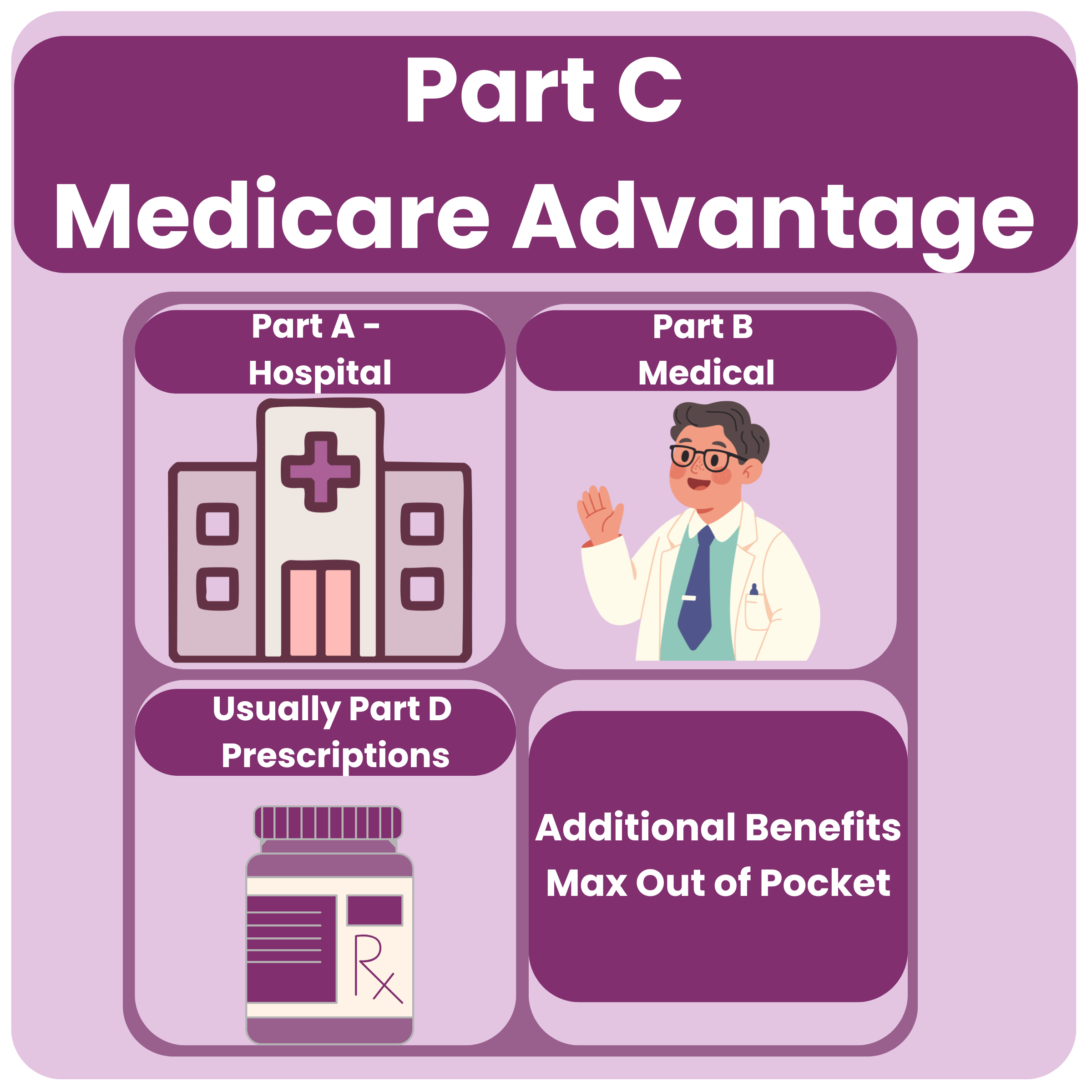
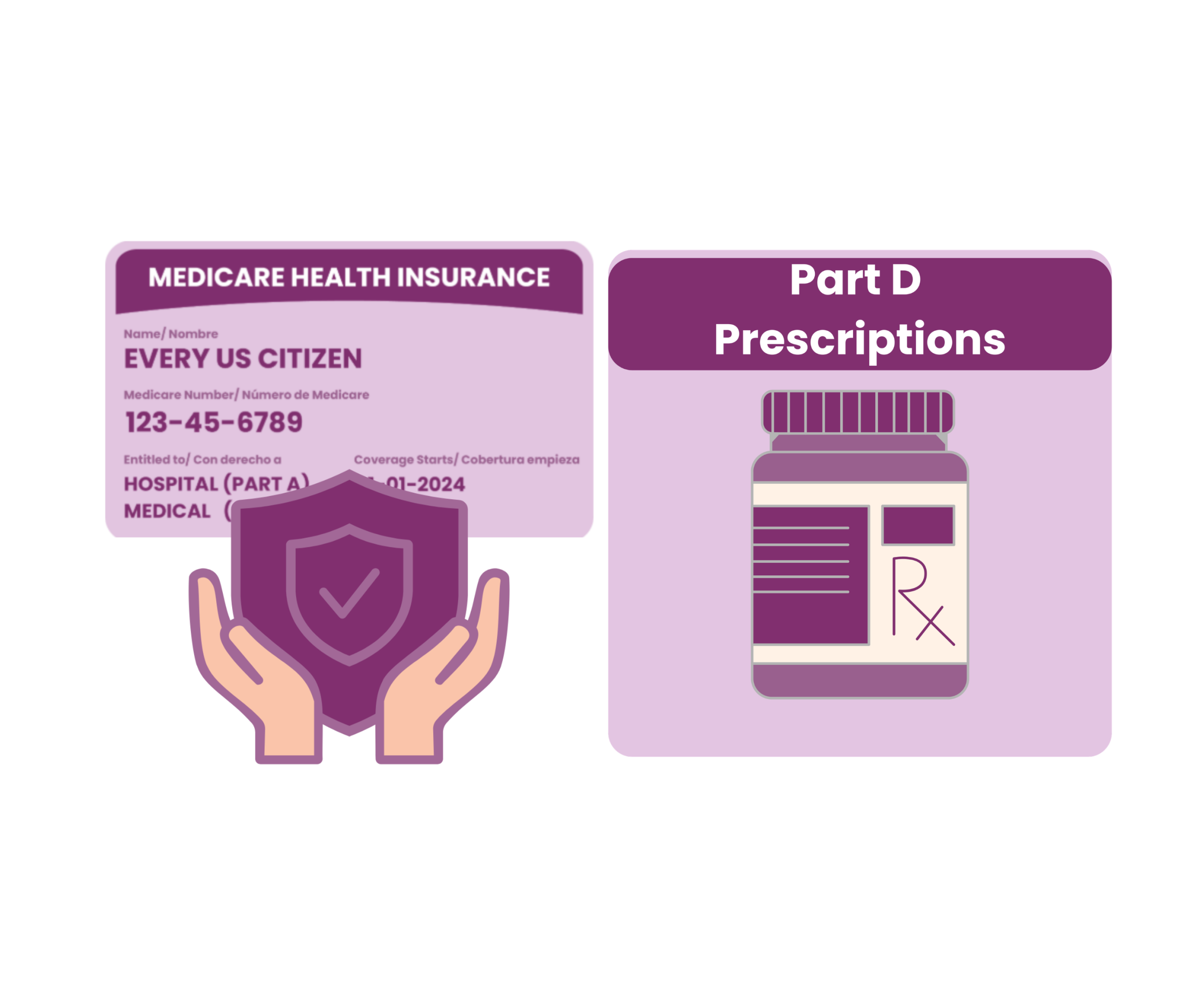
A2: Original Medicare (Part A and Part B) does not cover most outpatient prescription drugs. Prescription drug coverage is provided through Medicare Part D plans, which are offered by private insurance companies approved by Medicare. Florida Medicare beneficiaries who enroll in a Medicare Supplement (Medigap) plan must also enroll in a separate Part D plan for prescription coverage. Medicare Advantage plans (Part C) typically include prescription drug coverage bundled into the plan.

Q3: What is the difference between Medicare Part A and Medicare Part B?

A3: Medicare Part A covers inpatient hospital stays, skilled nursing facility care, hospice care, and some home health services. Most people do not pay a monthly premium for Part A if they or their spouse paid Medicare taxes for at least 10 years. Medicare Part B covers outpatient medical services including doctor visits, preventive care, lab tests, and durable medical equipment. Part B requires a monthly premium, which in 2026 is $185.00 for most beneficiaries. Together Part A and Part B form Original Medicare, which serves as the foundation for all Medicare coverage options in Florida.

Q4: Does Medicare cover Dental, Vision or Hearing?

A4: Original Medicare (Part A and Part B) does not cover routine dental, vision, or hearing services. These benefits are not included in standard Medicare coverage. However, many Medicare Advantage (Part C) plans available in Florida do include routine dental, vision, and hearing benefits as part of their additional coverage. The availability and extent of these benefits varies by plan and by county. Florida Medicare beneficiaries in Pasco County and Tampa Bay should compare Medicare Advantage plans carefully to understand what dental, vision, and hearing benefits are included.

Q5: What happens if I miss my Medicare Initial Enrollment Period?

A5: If you miss your Medicare Initial Enrollment Period without qualifying employer coverage, you may face late enrollment penalties and gaps in coverage. For Medicare Part B, the penalty is an additional 10% added to your monthly premium for each 12-month period you were eligible but did not enroll — and this penalty is permanent. For Medicare Part D, the penalty is calculated based on how long you went without creditable drug coverage. Special Enrollment Periods may be available if you had qualifying employer coverage. Working with an experienced Medicare agent in New Port Richey or Tampa Bay before your enrollment window opens helps ensure you avoid costly penalties.

Medicare Advantage

Common Questions About Medicare Advantage Plans in Florida

Part C: Medicare Advantage Prescription Drug Plan

Q1: Are Medicare Advantage plans free?

A1: Many Medicare Advantage plans in Florida have a $0 monthly plan premium, but they are not completely free. You must continue paying your Medicare Part B premium regardless of which plan you choose. Medicare Advantage plans have cost-sharing structures including copayments, coinsurance, and deductibles that apply when you use healthcare services. Plans also have an annual out-of-pocket maximum, which caps your total exposure for covered services each year. The actual cost of a Medicare Advantage plan depends on the specific plan, the carrier, and the county where you live in Florida.

Q2: What’s the difference between an HMO and PPO?

A2: An HMO (Health Maintenance Organization) requires you to use the plan’s network of doctors and hospitals for coverage to apply, except in emergencies. Most HMOs require you to select a primary care physician who coordinates your care and provides referrals to specialists. HMOs typically offer lower copays and richer extra benefits in exchange for less flexibility. A PPO (Preferred Provider Organization) gives you more flexibility — you can see in-network providers at lower cost or go out-of-network at higher cost without referrals. PPOs are a better fit for people who travel frequently, see providers across multiple locations, or want more control over their care. In Florida’s Tampa Bay market both HMO and PPO Medicare Advantage plans are available depending on your county.

Q3: Does every Medicare Advantage plan include prescription drug coverage?

A3: Most Medicare Advantage plans include prescription drug coverage (MAPD plans), but not all. Some Medicare Advantage plans — particularly certain PPO plans — do not include drug coverage and require you to enroll in a separate Part D plan. In Florida’s Pasco County and Tampa Bay markets the majority of available Medicare Advantage plans do include prescription drug coverage. When comparing Medicare Advantage plans it is important to verify whether drug coverage is included and whether your specific medications are covered under that plan’s formulary.

Q4: Can I change my Medicare Advantage plan at any time?

A4: No, you cannot change your Medicare Advantage plan at any time. Changes to Medicare Advantage plans are generally limited to specific enrollment periods. The Annual Enrollment Period runs from October 15 through December 7 each year and allows you to switch plans, return to Original Medicare, or make other coverage changes effective January 1. The Medicare Advantage Open Enrollment Period runs from January 1 through March 31 and allows you to switch to a different Medicare Advantage plan or return to Original Medicare one time. Special Enrollment Periods may be available in certain qualifying situations such as moving out of your plan’s service area or losing other coverage.

Medigap & Part D

Common Questions About Medicare Supplement and Prescription Drug Plans

Medicare Supplement or Medigap Plan and Medicare Part D

Q1: Do Medicare Supplement (Medigap) plans include prescription drug coverage?

A1: No, Medicare Supplement (Medigap) plans do not include prescription drug coverage. Medigap works alongside Original Medicare Parts A and B to help cover out-of-pocket costs such as deductibles, coinsurance, and copayments, but does not cover outpatient prescription medications. Florida Medicare beneficiaries enrolled in a Medigap plan must enroll in a separate Medicare Part D prescription drug plan for medication coverage. Enrolling in Part D when first eligible is important to avoid the Medicare Part D late enrollment penalty.

Q2: Can I switch Medicare Supplement (Medigap) plans?

A2: Yes, you can switch Medicare Supplement (Medigap) plans in Florida, but approval is not always guaranteed outside of your initial enrollment window. Unlike Medicare Advantage, Medigap plans do not have an Annual Enrollment Period. After your six-month Medigap Open Enrollment Period — which begins when you are 65 and enrolled in Part B — switching plans typically requires medical underwriting. Insurance companies can approve, deny, or charge higher premiums based on your health history. Certain qualifying life events may trigger guaranteed issue rights that allow you to switch without underwriting.

Q3: What is Medicare Supplement (Medigap) Plan G?

A3: Medicare Supplement Plan G is one of the most comprehensive Medigap plans available to Florida Medicare beneficiaries. It covers nearly all Medicare-approved expenses except the annual Medicare Part B deductible. Once the Part B deductible is met, Plan G pays 100% of covered services for the remainder of the year including hospital stays, skilled nursing facility coinsurance, and excess charges. Plan G does not include prescription drug coverage so beneficiaries typically enroll in a separate Part D plan. Because of its broad coverage and predictable out-of-pocket costs Plan G is one of the most popular Medigap options in New Port Richey and Tampa Bay.

Q4: When can I change my Part D plan?

A4: You can change your Medicare Part D prescription drug plan during the Annual Enrollment Period from October 15 through December 7 each year, with changes effective January 1. If you are new to Medicare you can enroll in a Part D plan during your Initial Enrollment Period. Special Enrollment Periods may be available if you move out of your plan’s service area, lose other creditable drug coverage, or qualify for Extra Help (Low Income Subsidy). Reviewing your Part D plan annually is important because formularies, premiums, and covered medications can change each year.

Q5: What if my medications are not covered by my Medicare Part D plan?

A5: If your medications are not covered by your Medicare Part D plan you have several options. You can request a formulary exception from your plan, asking them to cover your drug as a medical necessity. You can also ask your doctor about therapeutic alternatives that are covered under your plan’s formulary. During the Annual Enrollment Period you can switch to a Part D plan that covers your specific medications. Working with an independent Medicare agent in Florida who can compare Part D formularies across multiple carriers ensures your prescriptions are covered before you enroll — not after.

Find Local, Reliable Medicare Help

Whether you're preparing for Medicare, reviewing your current coverage, or looking for personalized guidance, choose the next step that's right for you.

New to Medicare?

Learn when to enroll, understand your Medicare options, and avoid common enrollment mistakes with our step-by-step resources.

Learn About Medicare

Already Have Medicare?

Plans, prescriptions, doctors, and health needs change. Having the right independent Medicare agent helps ensure your coverage continues to fit your needs year after year.

Value of Annual Reviews

Medicare Can Be Easy

Speak with one of our independent Medicare agents by phone, virtually, or in person. Get honest answers and personalized guidance tailored to your needs.

Book an Appointment

Questions before scheduling?